
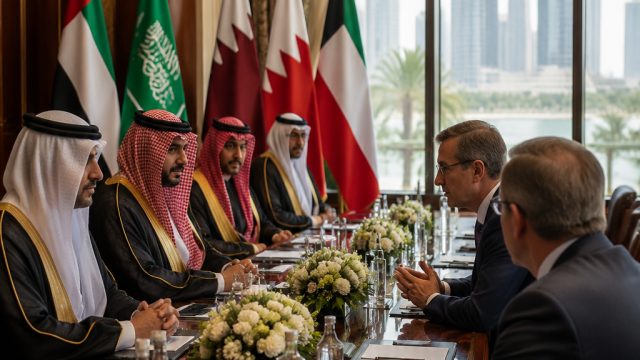
In the context of shifting geopolitical landscapes, U.S. Senator Marco Rubio's recent visit to the Persian Gulf seeks to strengthen ties and provide much-needed reassurances to Gulf allies regarding ongoing negotiations surrounding the Iran nuclear deal. With rising concerns about regional stability and the potential implications of a renewed agreement with Iran, this diplomatic mission underscores the urgency of maintaining security partnerships in a volatile environment.
Why Gulf Allies Need Assurance Now
The Gulf Cooperation Council (GCC) nations, including Saudi Arabia, the UAE, and Qatar, are facing unprecedented challenges as they navigate a complex relationship with Iran. Given the historical context of tensions in the region, the prospect of the U.S. re-engaging with Iran through diplomatic talks raises significant anxieties among these allied nations. The current geopolitical climate requires that Gulf allies feel secure, particularly as global oil prices fluctuate, impacting their economies and stability.
Understanding the Impact of the Iran Deal
The Iran nuclear deal, formally known as the Joint Comprehensive Plan of Action (JCPOA), was originally established to curtail Iran's nuclear ambitions in exchange for sanctions relief. However, the dynamics have shifted dramatically since its inception, with doubts surrounding Iran’s compliance and intentions. As talks resume, the fears among Gulf states center on the possibility that a weakened stance on Iran could embolden its regional influence, threatening the national security of its neighbors.
Rubio's Strategic Discussions
During his visit, Rubio engaged in discussions with key leaders from the Gulf states, focusing on security assurances in light of their concerns. Some of the primary topics included:
- The commitment of the U.S. to defend Gulf interests against potential Iranian aggression.
- Strategies for enhancing military cooperation between the U.S. and Gulf nations.
- Evaluating the economic implications of shifting oil markets in response to Iran negotiations.
- Plans for intelligence sharing related to regional security threats.
The Role of Global Oil Prices
As negotiations progress, the fluctuating global oil prices play a crucial role in shaping the economic landscape of the Gulf region. Recent declines in oil prices have led to increased apprehension among Gulf leaders. The intersection of energy markets and political stability makes it imperative for the U.S. to reassure its allies that their economic interests are safeguarded amid these negotiations.
Current Oil Market Trends
Recent reports indicate that global oil prices have reached their lowest levels since before heightened tensions surrounding the Iran conflict began. This decline has led to:
- Increased pressure on Gulf economies, reliant on oil revenues.
- Concerns over potential socio-economic unrest fueled by economic instability.
- Calls for diversification of economies away from oil dependence.
Looking Ahead: The Importance of Continued Engagement
As the discussions surrounding the Iran deal evolve, it is critical for both U.S. and Gulf leaders to maintain open channels of communication. The implications of these negotiations extend far beyond immediate political considerations; they inherently influence regional security, economic stability, and diplomatic relationships.
Key Takeaways for Gulf Allies
Gulf states are reminded that:
- Solidarity with the U.S. can enhance their bargaining power in negotiations with Iran.
- Continued investment in defense and security partnerships is paramount.
- Economic diversification initiatives are essential to mitigate risks associated with volatile oil markets.
Conclusion: A Call for Strategic Alliances
The current geopolitical challenges faced by Gulf allies in the context of Iranian negotiations underscore the importance of strategic alliances and the assurance of security. Rubio's visit represents a commitment to ongoing diplomatic engagement and a recognition of the critical role that U.S. support plays in ensuring stability in the region. As developments unfold, it is vital for Gulf states to leverage these relationships to safeguard their interests and foster a secure environment for their citizens.