
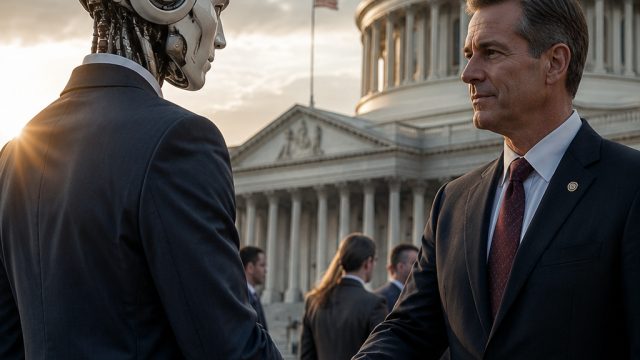
In a landmark event, the recent Democratic primary in New York's 12th congressional district has underscored the escalating influence of technology funding in political contests. With over $24 million funneled into this campaign, the implications for the future of democracy and governance are profound. This election has become a pivotal moment, revealing how deep the roots of financial influence from tech giants can penetrate into local politics.
The Financial Arms Race in Politics
The staggering amount spent during this race reflects a broader trend of increasing financial resources directed by corporate interests into American politics. This is not just limited to pro-AI candidates but also includes substantial investments from groups intending to regulate or limit AI advancements. Significantly, candidate Alex Bores emerged as a focal point for these conflicting agendas, having previously sponsored an AI safety bill that positioned him as a target for tech-backed funding.
Understanding the Players
- Pro-AI Political Action Committees: These groups have been at the forefront of supporting candidates who favor less regulatory scrutiny on AI technologies.
- Anti-AI Groups: In contrast, organizations opposed to unchecked AI development have mobilized resources to back candidates like Bores, advocating for stricter oversight.
A Lesson in the New Political Landscape
As more candidates wade into the murky waters of tech influence, the results in New York may serve as a lesson for future races across the nation. The significant financial engagement in this race illustrates how crucial it has become for candidates to position themselves regarding AI and tech regulations. With the stakes so high, understanding where candidates stand could become essential for voters who care about the implications of AI on society.
Key Takeaways for Voters
- Assess candidates' positions on AI and tech regulation.
- Consider the source of funding backing a candidate—are they aligned with major tech interests?
- Stay informed about how much money is pouring into local races and from whom.
The Future of Political Funding
The rise of tech lobbying is not merely a fleeting phenomenon but a signal of major shifts in the political funding landscape. As campaigns become increasingly costly, the need for transparency about funding sources becomes more vital. The events in New York are likely indicative of what we might expect in congressional races nationwide, where tech giants could wield considerable influence.
Implications for Democracy
The implications of this kind of funding raise pressing questions about the integrity of democratic processes. When vast sums of money can dictate the terms of discourse in local elections, it challenges the very foundation of representative democracy. Citizens must remain vigilant about the evolving dynamics of political funding and the role tech plays in shaping electoral outcomes.
Conclusion: A Call for Awareness
As the dust settles on the New York primary, it's essential to reflect on the lessons learned from this monumental race. The infusion of tech money into politics is a reality that will likely persist and grow more complex. For voters, staying informed and engaged is critical. Understanding the intersection of technology and politics will not only empower individuals to make informed choices but will also shape the future of democracy for years to come.