
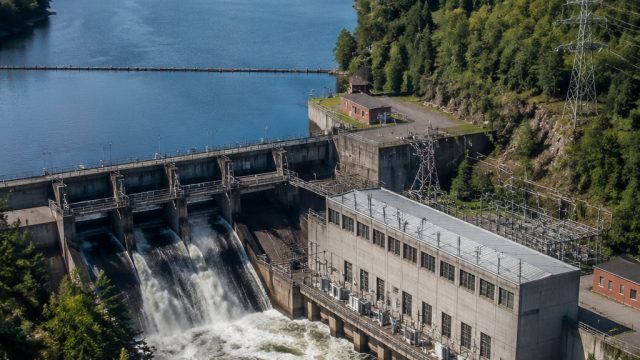
In a world increasingly focused on sustainable energy solutions, New England's recently completed hydropower transmission line stands as a pivotal project. As debates on energy sustainability continue, the question on everyone's lips is: What does this mean for the region's energy future?
The Vision Behind the Hydropower Line
The ambitious hydropower line project was designed to connect New England's electrical grid with hydropower sources located in Canada. This initiative aimed to reduce dependency on fossil fuels and promote renewable energy use across the region. However, despite its completion, the broader implications of this project remain somewhat ambiguous.
Why This Project Matters Now
As climate change becomes an ever-pressing concern, the significance of this hydropower line can’t be overstated. With rising energy demands and increasing greenhouse gas emissions, finding efficient alternatives is critical. Here’s why the project is especially relevant today:
- Mitigation of Climate Change: The transmission line is expected to reduce reliance on carbon-intensive energy, which is paramount given the worsening climate crisis.
- Energy Independence: Increased access to renewable energy sources may lessen New England's dependence on imported fossil fuels.
- Job Creation: The project has the potential to create numerous jobs in construction and ongoing maintenance, vital for economic recovery.
Expected Benefits and Challenges Ahead
While the hydropower line promises numerous benefits, challenges still loom large. Understanding both is key to gauging the project's long-term viability.
Advantages of the Hydropower Project
- Enhanced Grid Reliability: By diversifying energy sources, the hydropower line reinforces grid stability, reducing the risk of blackouts.
- Lower Energy Costs: Increased supply from renewables may lead to decreased energy prices, benefiting consumers across New England.
- Encouragement for Further Investments: The success of this initiative could attract more investments in renewable energy projects in the region.
Challenges Facing Implementation
- Regulatory Hurdles: Navigating state and federal regulations can complicate the operational aspects of the line.
- Public Acceptance: Gaining the support of local communities is crucial, and some areas may oppose the expansion of transmission lines.
- Environmental Concerns: While hydropower is renewable, it still poses potential ecological risks that need to be addressed.
Connecting the Dots: The Future of Renewable Energy in New England
The completion of the hydropower line is just one piece of a larger puzzle in New England’s energy landscape. To fully benefit from this development, stakeholders must consider integrating various forms of renewable energy and technology.
The Role of Other Renewable Sources
As New England looks to diversify its energy portfolio, the inclusion of other renewable sources will be vital. Here are some to keep an eye on:
- Solar Energy: With many homes and businesses installing solar panels, the role of solar energy is becoming increasingly significant.
- Wind Energy: Both onshore and offshore wind farms are rapidly expanding, providing another avenue for clean energy production.
- Battery Storage Technology: Advances in storage solutions can help balance the intermittent nature of renewable energy, making it more reliable.
Public Engagement and Educational Initiatives
As the energy landscape changes, public awareness and education will be paramount. Initiatives that promote understanding about renewable energy can pave the way for broader acceptance and support:
- Workshops and Seminars: Local governments and organizations can host events to educate citizens on the benefits of renewable energy.
- Collaboration with Schools: Engaging with educational institutions can foster interest in STEM fields related to energy innovation.
- Community Involvement: Empowering local communities to voice their concerns and be part of the energy transition planning can lead to more successful outcomes.
Conclusion: A Bright Future or Uncertain Prospects?
As New England embarks on this new chapter in renewable energy, the implications of the hydropower transmission line will unfold in the coming years. While there are promising benefits on the horizon, the path is not without its challenges. Engaging with the public, addressing environmental concerns, and ensuring regulatory compliance will be essential in navigating the future of this critical energy resource. Ultimately, this hydropower line could serve as a model for similar projects across the nation, potentially reshaping how we think about and utilize renewable energy.