
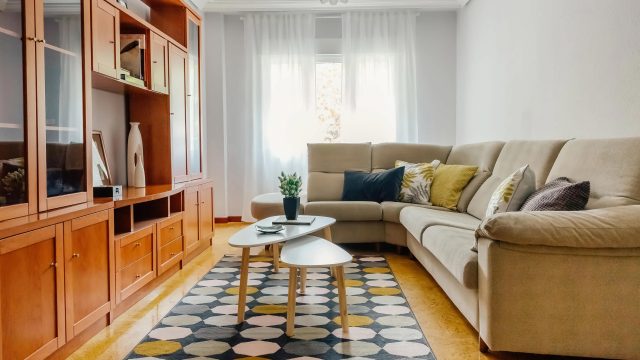
Cork: The Sustainable Design Choice Transforming Hospitality Spaces
As we step into 2026, the hospitality industry is witnessing a significant shift in design trends, emphasizing sustainability and aesthetic appeal. Among the frontrunners of this change is cork, a material long celebrated for its eco-friendly properties and unique texture. With its rise in popularity, understanding how cork can enhance hotel interiors is crucial for any hospitality business looking to stay ahead of the curve.
The Rise of Cork in Hotel Design
Once considered a niche material, cork is now gaining traction among designers for its versatility and sustainable attributes. Its natural origins make cork a highly renewable resource, harvested without harming the cork oak trees it comes from. This sustainable approach resonates well with the growing number of travelers who prioritize eco-conscious choices.
Why Cork is Gaining Popularity
- Eco-Friendly: Cork’s sustainable harvesting process significantly reduces environmental impact.
- Unique Aesthetic: The natural texture of cork adds warmth and character to any space.
- Sound Insulation: Cork’s natural properties help reduce noise, enhancing guest comfort.
- Durability: Resistant to wear and tear, cork stands the test of time in high-traffic areas.
Innovative Applications of Cork in Guest Rooms
Designers are creatively incorporating cork into various aspects of hotel guest rooms. From flooring to furniture, the options are limitless. Here are some innovative ways cork is being used:
Cork Flooring
Cork flooring is gaining favor in luxury hotels for its combination of comfort and style. Unlike traditional hardwood, cork offers a softer feel underfoot, reducing fatigue for guests. Moreover, its insulation properties help maintain temperature, providing a cozy atmosphere for guests.
Furniture and Decor
In guest rooms, cork furniture pieces such as bedside tables and accent chairs not only look stylish but also promote a natural feel. Designers are also using cork wall panels to create feature walls, offering a striking contrast to more conventional materials.
Soundproofing Elements
As travelers seek serenity in their accommodations, cork is utilized for its soundproofing capabilities. Incorporating cork into walls and ceilings can significantly reduce noise from adjacent rooms or the outside world, allowing guests to enjoy a peaceful stay.
Impact on Guest Experience
The integration of cork into hotel design extends beyond aesthetics; it has a direct impact on the overall guest experience. A focus on sustainability resonates with environmentally conscious travelers, enhancing their perception of the brand.
Creating a Brand Identity
Hotels that adopt cork in their designs can leverage this choice as part of their brand identity, showcasing their commitment to sustainability. This can be particularly appealing to younger demographics who actively seek out eco-friendly options.
Improving Guest Comfort
With features like sound insulation and temperature regulation, cork contributes to a more comfortable and enjoyable stay. Positive guest experiences lead to higher satisfaction rates, encouraging repeat visits and positive reviews.
Challenges and Considerations
While the advantages of using cork are compelling, there are challenges to consider. As with any material, the initial cost can be higher than alternatives. However, the long-term benefits and durability of cork often outweigh these concerns. Here are some considerations for integrating cork into hotel designs:
- Cost Implications: Initial installation may require a higher investment, but the durability pays off.
- Maintenance: Regular care is necessary to keep cork looking its best, including proper cleaning techniques.
- Design Cohesion: Ensuring that cork integrates seamlessly with existing décor is essential.
Conclusion: Why Now is the Time to Embrace Cork
The hospitality industry is at a pivotal moment where sustainability and guest experience are paramount. As travelers become more eco-conscious, adopting materials like cork not only satisfies their preferences but also positions hotels as forward-thinking and environmentally friendly. With innovative applications and a positive impact on guest comfort, cork is set to become a staple in hotel design for years to come. Now is the time for hospitality businesses to embrace this unique material, ensuring that they remain relevant and appealing in an ever-evolving market.