
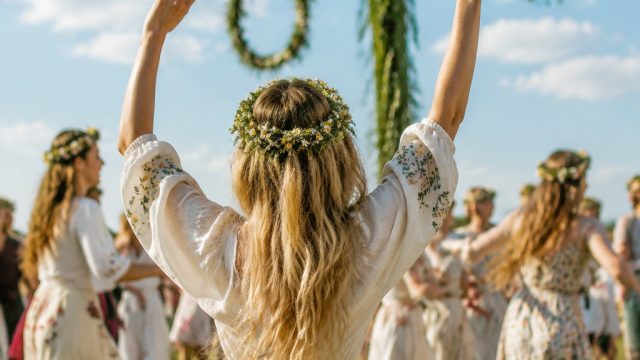
Midsummer festivals have long been a cornerstone of cultural identity in various communities around the world. These celebrations, often aligning with the summer solstice, are marked by vibrant events, communal gatherings, and a sense of joy that brings people together. Today, as our societies evolve, the relevance of these time-honored traditions continues to resonate, offering a unique opportunity to reflect on their historical significance and cultural impact.
The Historical Roots of Midsummer Celebrations
The origins of midsummer festivities can be traced back to ancient rituals that honored the sun and its life-giving properties. For many cultures, this time of year symbolizes abundance and fertility, with festivals often featuring feasts, bonfires, and music. In ancient Europe, these gatherings were crucial for marking the transition into the harvest season, making them not only celebratory but also practical for agrarian societies.
St. John the Baptist and Midsummer
One of the most significant midsummer celebrations is the Feast Day of St. John the Baptist, observed on June 24. This festival has been recognized since the 4th century and has roots in both Christian and pagan traditions. In many European countries, bonfires are lit as part of the festivities, symbolizing purification and protection. These customs have evolved, blending local traditions with religious observances to create a unique cultural tapestry.
Modern Midsummer Festivals: A Time to Connect
In today’s fast-paced world, the importance of community bonding cannot be overstated. Midsummer festivals provide a much-needed respite, encouraging individuals and families to come together in celebration. Local events often include:
- Live music and dance performances
- Artisan markets showcasing local crafts
- Traditional games and activities for children
- Food stalls featuring seasonal dishes
These events foster a sense of belonging, allowing people to reconnect with their roots while also embracing new traditions.
Community and Sustainability
As environmental awareness grows, many midsummer festivals have begun to incorporate sustainable practices. Festival organizers are increasingly focusing on:
- Reducing waste through eco-friendly materials
- Supporting local farmers and businesses
- Promoting awareness about biodiversity and conservation
This shift not only honors the earth but also reinforces the communal ties that are essential for a thriving society. By celebrating midsummer in a sustainable manner, communities can pass on a legacy of respect for nature to future generations.
Why Midsummer Festivals Matter Now More Than Ever
In a world increasingly characterized by digital interactions, the significance of physical community gatherings cannot be understated. Midsummer festivals present an opportunity to experience human connection in its most joyous form. They serve as a reminder of our cultural heritage while encouraging inclusivity and diversity. As we navigate the complexities of modern life, these festivals can help restore balance and foster a spirit of unity.
Embracing New Traditions
Many regions have started to introduce innovative elements to their midsummer celebrations, merging traditional practices with contemporary art forms. Events now often feature:
- Digital art installations that celebrate local culture
- Collaborative performances that invite community participation
- Workshops focusing on traditional crafts and skills
This blend of old and new not only captivates a wider audience but also keeps the spirit of the festival vibrant and relevant.
Conclusion
The enduring charm of midsummer festivals lies in their ability to adapt and thrive in changing times. As we celebrate these significant events, we not only honor our past but also build a stronger, more connected future. Whether through shared meals, traditional dances, or communal storytelling, midsummer festivals remind us of the power of togetherness. As we look ahead, let us cherish and elevate these traditions that enrich our lives and sustain our communities.