
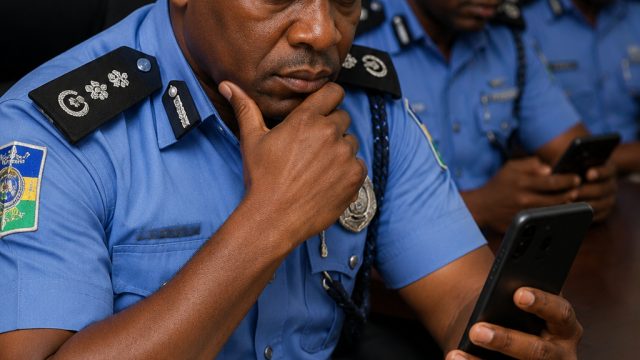
In a significant policy shift aimed at enhancing professionalism within its ranks, the Nigeria Police Force has implemented stringent restrictions on the social media usage of its officers. This directive, issued by Inspector-General of Police Tunji Disu, has raised eyebrows and sparked conversations about the role of social media in modern policing.
The Directive Explained
On June 22, 2026, an internal memorandum was circulated among police personnel, instructing them not to engage in unauthorized social media activities that could potentially identify them as members of the Nigeria Police Force. The circular, classified as 'Restricted — For Official Use Only,' signifies a concerted effort to maintain the integrity and discipline of the police service.
Why This Matters Now
The decision comes amid growing concerns over the influence of social media on public perception and the conduct of law enforcement officers. As platforms like TikTok, Instagram, and Facebook become integral to daily communication, the potential for misuse becomes a pressing issue for police departments worldwide. In Nigeria, where public trust in law enforcement is critical, the police leadership recognizes the need to safeguard the institution's reputation.
Potential Implications for Officers
This new policy could have far-reaching implications for police officers and their engagement with the community. Here are a few key areas of impact:
- Professional Image: By restricting social media use, the police aim to present a unified and professional front to the public, minimizing the risk of officers sharing controversial or inappropriate content.
- Public Relations: The directive is expected to alter how officers interact with citizens online, potentially leading to reduced opportunities for community engagement through social media platforms.
- Accountability: Officers may feel a heightened sense of accountability for their actions, knowing that any misconduct could have serious repercussions not just legally, but also in terms of public perception.
Community Reactions
The implementation of this directive has elicited mixed reactions from the public and civil society organizations. While some view it as a necessary step toward professionalizing the police force, others argue it could hinder transparency and community relations. Here’s what the community is saying:
Support for Professional Standards
Advocates for police reform see this move as essential in establishing clear boundaries for officer conduct. They argue that by limiting personal expression on social media, the police can avoid controversies that detract from their primary mission of public safety.
Concerns Over Transparency
Conversely, critics express concern that such restrictions might lead to a lack of transparency. They argue that social media can serve as a platform for citizens to engage with law enforcement and hold them accountable, and that restrictions could diminish this open line of communication.
Conclusion
The Nigeria Police Force's new social media policy reflects a proactive approach to maintaining a disciplined and professional police service. As the digital landscape continues to evolve, it is crucial for law enforcement to adapt to these changes while balancing the public's need for transparency and accountability. Observers will be closely watching how this directive influences the relationship between the police and the communities they serve in the coming months.