
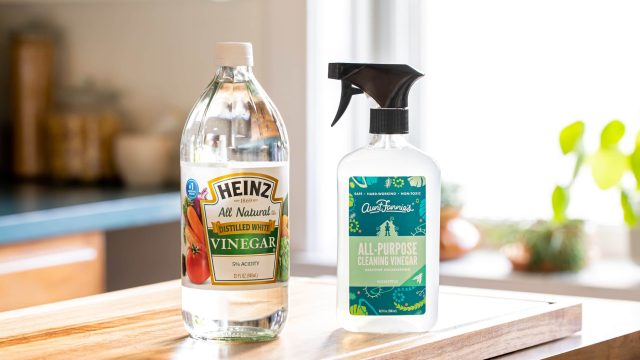
Understanding Vinegar: A Closer Look at Cleaning vs. Culinary Uses
Vinegar is an ingredient that spans across various applications, from culinary delights to household cleaning. Yet, not all vinegar is created equal. Recent trends highlight the importance of understanding the distinct characteristics and uses of cleaning vinegar versus cooking vinegar. This knowledge is crucial as we navigate a world where efficiency and effectiveness matter more than ever.
The Basics of Vinegar
At its core, vinegar is an acetic acid solution produced through the fermentation of ethanol. Its acidic nature gives it a range of uses. However, depending on its intended use, the composition and concentration of vinegar can vary significantly. Understanding these differences can lead to better decisions in both the kitchen and the cleaning cabinet.
What is Cleaning Vinegar?
Cleaning vinegar typically contains about 6% acetic acid, compared to the 5% found in regular cooking vinegar. This slightly higher concentration makes it a powerful option for various cleaning tasks. While it’s a staple in many households, it’s essential to note that this type of vinegar is not food-grade and should not be consumed.
- Powerful Against Stains: Its strong acidity helps cut through grime and stains effectively.
- Natural Disinfectant: Cleaning vinegar can eliminate bacteria, making it ideal for kitchen and bathroom cleaning.
- Deodorizing Properties: It neutralizes odors, leaving spaces smelling fresh.
How to Use Cleaning Vinegar
To maximize the benefits of cleaning vinegar, consider these tips:
- Surface Cleaner: Mix with water for an effective all-purpose cleaner.
- Glass Cleaner: Use undiluted for streak-free windows and mirrors.
- Fabric Softener Alternative: Add to your laundry rinse cycle to soften clothes.
The Role of Cooking Vinegar
Cooking vinegar, which includes varieties like balsamic, apple cider, and white wine vinegar, is designed for culinary uses. These vinegars often contain flavor compounds that enhance dishes, setting them apart from their cleaning counterparts.
Types of Cooking Vinegar
Here are some popular types of cooking vinegar and their uses:
- Apple Cider Vinegar: Known for health benefits and enhanced flavor in dressings.
- Balsamic Vinegar: Adds a rich sweetness to salads and marinades.
- Red and White Wine Vinegar: Perfect for cooking, pickling, and salad dressings.
Using Cooking Vinegar Effectively
To incorporate cooking vinegar into your meals, consider these guidelines:
- Dressings and Marinades: Combine with olive oil for a delicious salad dressing.
- Flavor Enhancer: Use in soups and sauces to add depth to flavors.
- Pickling: Ideal for preserving vegetables with a tangy taste.
Why This Matters Now
In today's world, where sustainability and efficiency are paramount, the choice between cleaning vinegar and cooking vinegar becomes increasingly significant. Many households are adopting eco-friendly cleaning solutions, and vinegar stands out as a natural alternative to harsh chemicals. Understanding the correct usage of each type can lead to more effective cleaning routines and healthier cooking practices.
Moreover, as we become more aware of the ingredients we use, opting for natural and versatile products like vinegar helps in reducing our carbon footprint. This trend indicates a shift in consumer behavior that favors products that are not just effective but also environmentally friendly.
Conclusion
In summary, distinguishing between cleaning vinegar and cooking vinegar is essential for optimizing their respective uses. By understanding their unique properties, you can enhance your culinary creations while maintaining a clean and healthy home. As we continue to embrace more sustainable practices, vinegar will undoubtedly remain a key player in both our kitchens and our cleaning arsenals. Choose wisely, and make the most of this versatile solution!