
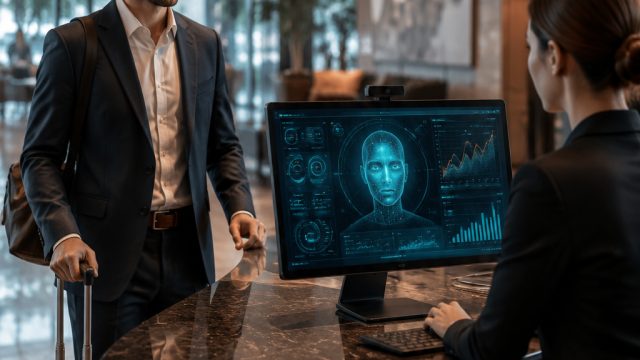
Transforming Hotel Security with AI Fraud Detection Solutions
As the hospitality industry continues to evolve, so too do the risks associated with it. With the rise of online bookings and cashless transactions, hotels are increasingly vulnerable to fraud. In this digital age, implementing robust fraud detection measures is more critical than ever to protect both businesses and guests. In this article, we will explore how artificial intelligence (AI) is shaping the future of fraud detection in the hospitality sector.
The Growing Need for Advanced Fraud Detection
Fraudulent activities in the hospitality industry can take many forms, from credit card fraud to identity theft. As guests seek convenience and security, hotels must ensure that their systems are equipped to handle potential threats effectively. Recent studies indicate that losses due to such fraudulent activities have surged, prompting the adoption of advanced technologies for better prevention and detection.
Why Timing is Crucial
With major events on the horizon, including international conferences and festivals, hotels will experience a significant influx of guests. This increased traffic raises the stakes for fraud. Hotels must act now, investing in AI-driven solutions to safeguard their operations. Failure to do so could result in lost revenue and irreparable damage to reputation.
How AI is Revolutionizing Fraud Detection
AI technologies harness vast amounts of data to identify patterns and anomalies that may indicate fraudulent behavior. By analyzing transaction data, guest profiles, and even social media activity, these systems can pinpoint suspicious actions that may go unnoticed by traditional methods.
Key Features of AI Fraud Detection Tools
- Real-time Monitoring: AI tools operate 24/7, continuously monitoring transactions to catch fraud as it happens.
- Behavioral Analysis: These systems learn from guest behaviors, allowing them to differentiate between regular activity and potential fraud.
- Integration with Existing Systems: Modern AI solutions can be seamlessly integrated into existing hotel management software for easy deployment.
- Predictive Analytics: By assessing historical data, AI can predict future fraudulent activities, allowing hotels to proactively implement measures.
Real-World Applications of AI in Hospitality
Several hotels and chains have already adopted AI-driven fraud detection tools, witnessing significant improvements in their security measures. For instance, luxury resorts are utilizing advanced AI algorithms to protect guest data, ensuring compliance with privacy regulations while enhancing guest trust.
Case Study: A Leading Hotel Chain
One prominent hotel chain recently integrated an AI fraud detection system into its booking process. This system has helped reduce chargebacks by over 30%, as it flags suspicious transactions before they are finalized. As a result, the hotel has seen an increase in customer satisfaction due to the seamless and secure booking experience.
Preparing for the Future
As technology progresses, hotels must remain vigilant against potential threats. The introduction of AI in fraud detection is just the beginning. Hotel managers and owners must consider the following steps to enhance their fraud prevention strategies:
- Invest in Training: Staff should be trained to understand how to utilize these AI tools effectively.
- Stay Updated: Keeping abreast of the latest AI advancements will ensure hotels remain competitive and secure.
- Encourage Guest Vigilance: Informing guests about potential threats and encouraging them to report suspicious activity can further bolster security.
Conclusion: The Path Forward
As the hospitality industry adapts to a rapidly changing landscape, embracing AI-driven fraud detection will be a crucial step in ensuring the safety and satisfaction of guests. With potential threats evolving, hotels need to act decisively now by implementing these innovative tools. By investing in AI technologies, hotels can not only protect their revenue but also enhance the overall guest experience, fostering loyalty in an increasingly competitive market.