
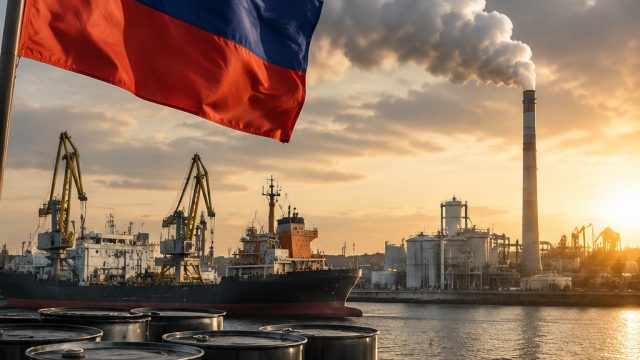
Recent tensions between Russia and Ukraine have escalated, leading to serious discussions in Russia about a possible ban on diesel exports. This development comes in response to intensified Ukrainian attacks targeting Russian refineries, raising concerns about domestic supply shortages and potential ramifications for the global energy market.
The Rising Stakes Amidst Ongoing Conflict
The backdrop of this situation is the ongoing conflict between Russia and Ukraine, which has already disrupted various sectors, including energy. Following a series of Ukrainian drone strikes aimed at Russian oil refineries, the Kremlin is considering drastic measures to protect its domestic fuel supply. A ban on diesel exports could be implemented as a countermeasure to ensure that local consumption is prioritized, especially as the winter months approach.
Why Now? The Timing of the Diesel Export Ban
The discussion around a diesel export ban is particularly urgent due to several factors:
- Increased Attacks: Recent military activities have led to significant damage to refinery infrastructures, creating a looming crisis for fuel availability.
- Domestic Demand: As temperatures drop, the demand for heating oil and diesel fuel rises, further straining local supplies.
- Global Supply Chain Concerns: With various countries already facing energy shortages, any reduction in Russian diesel supply could exacerbate the situation.
Potential Impact on Global Energy Markets
The ramifications of Russia's potential diesel export ban could ripple across the globe, impacting fuel prices and availability. Here are some critical aspects to consider:
1. Price Volatility
Should Russia proceed with this ban, analysts predict significant fluctuations in diesel prices:
- Increased Prices: A reduction in supply could lead to higher prices for diesel, impacting transportation and logistics costs worldwide.
- Speculation in Markets: Traders might react sharply, potentially leading to unstable market conditions as they speculate on future availability.
2. Disruption of Supply Chains
Global supply chains, already strained by previous geopolitical events, may face further challenges:
- Logistics Costs: Increased diesel prices can lead to higher shipping costs, affecting everything from consumer goods to raw materials.
- Alternative Sources: Countries reliant on Russian diesel may scramble to find alternative suppliers, leading to increased competition and potential shortages.
3. Environmental Considerations
Shifts in the diesel supply landscape may also bring environmental implications:
- Increased Emissions: In efforts to replace Russian diesel, countries might resort to less efficient and more polluting fuel sources.
- Investment in Renewables: This crisis may also accelerate investments in renewable energy solutions as nations seek to diversify their energy portfolios.
Monitoring Developments: Stay Informed
As the situation evolves, it is essential for businesses, consumers, and investors to stay informed about developments surrounding Russia's diesel export deliberations. Here at Brastonix, we are committed to providing timely insights to help you navigate the complexities of the global energy market.
Conclusion
The potential ban on diesel exports by Russia could have far-reaching effects on the global energy landscape. As tensions continue to rise and the situation unfolds, stakeholders must remain vigilant. Understanding the implications of such geopolitical decisions is vital for making informed choices in an ever-changing environment.