
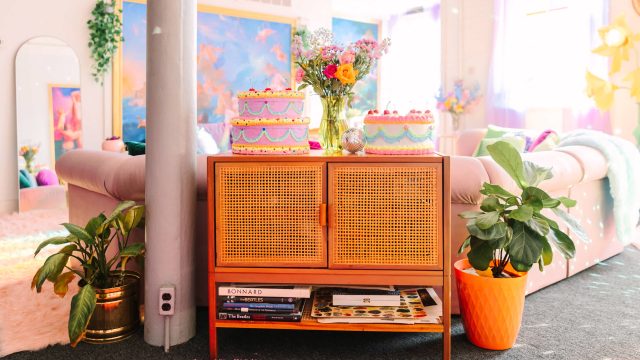
Why Clutter is Becoming the New Norm
In recent years, the concept of minimalism has been challenged by a rising movement towards embracing clutter in home environments. This shift is not merely about aesthetics; it reflects deeper emotional and psychological needs. As we navigate the complexities of modern life, the demand for more personalized and expressive living spaces is surging.
The Cluttercore Movement
The trend, often referred to as "cluttercore," emphasizes the joy of surrounding oneself with items that tell a story or evoke fond memories. Unlike the sterile, minimalist designs that have dominated the market, cluttercore aims to create spaces that radiate warmth and character.
Psychological Benefits of Clutter
Recent research indicates that clutter can enhance moods and provide a sense of comfort. In cultures across Southeast Asia, including Indonesia’s major cities like Jakarta and Surabaya, people are increasingly prioritizing emotional connections over strict organizational standards.
Key Takeaways
- Cluttercore emphasizes personal expression in home decor.
- Emotional connection to items is more valued than minimalism.
- This trend is gaining traction in Southeast Asia, especially in urban areas.
- Research links clutter to improved moods and comfort levels.
- Personalized decor helps individuals create a unique living environment.
Market Impact and Consumer Trends
The embrace of clutter is not just a design choice but also reflects broader consumer trends. For businesses in the hospitality sector, including hotels and guest room solutions like those offered by Brastonix, understanding these preferences is crucial. Hotels can tap into this trend by designing more personalized and cozy guest experiences that resonate emotionally with travelers.
Adapting to the Clutter Trend in Hospitality
Hotels that curate their interior designs to reflect local cultures and personal stories can differentiate themselves in a competitive market. Instead of austere designs, they can opt for vibrant, eclectic spaces that provide warmth and familiarity. For example, hotels in Bali can incorporate local art and historical artifacts to create a sense of place.
Consumer Preferences in the Indonesian Market
The Indonesian market, particularly in Bali where tourism thrives, shows a keen appetite for experiences that feel like home. As a result, hotels that embrace a cluttered yet curated aesthetic may find greater appeal among visitors seeking authentic connections during their stay.
Conclusion
As the clutter trend continues to gain momentum, it’s clear that people are yearning for spaces that reflect their identities and experiences. By transitioning from minimalist to more personalized and cluttered spaces, individuals and businesses alike can foster a sense of belonging and comfort. For the hospitality industry, this shift presents a unique opportunity to reimagine guest experiences, creating environments that welcome guests with warmth and familiarity.