
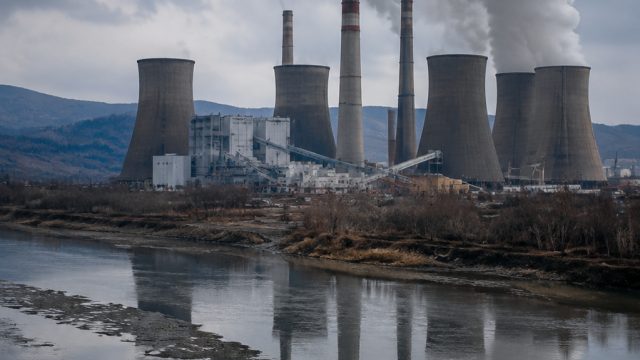
In a shocking revelation, recent findings indicate that thermal power plants in the Western Balkans are emitting pollutants at levels over 6.6 times higher than permitted standards. This alarming situation has raised concerns not only for local communities but also for global environmental sustainability.
The Background of Pollution in the Balkans
Approximately eight years after the enforcement of emission control standards set by the Energy Community Treaty, countries such as Kosovo, Bosnia and Herzegovina, Serbia, and North Macedonia continue to struggle with excessive air pollution from their thermal power plants. According to a report by Radio Free Europe’s Albanian division, these emissions have become a significant health hazard and are contributing to a broader environmental crisis affecting the region.
Why This Matters Now
As climate change becomes an increasingly urgent global issue, the excessive emissions from these power plants threaten not only local air quality but also the health and well-being of the region's populations. The ongoing reliance on outdated energy infrastructure highlights a critical need for modernization and investment in cleaner energy sources.
Understanding the Impact of Thermal Power Plant Emissions
Emissions from thermal power plants are primarily composed of sulfur dioxide (SO2), nitrogen oxides (NOx), and particulate matter, all of which can have dire consequences for human health. Studies indicate that heightened levels of these pollutants are linked to respiratory diseases, cardiovascular problems, and premature death. The economic costs associated with healthcare and lost productivity due to pollution-related illnesses can be substantial.
Key Pollutants and Their Effects
- Sulfur Dioxide (SO2): Contributes to acid rain and respiratory issues.
- Nitrogen Oxides (NOx): Linked to smog formation and various health problems.
- Particulate Matter (PM2.5 and PM10): Can penetrate deep into the lungs and bloodstream, leading to severe health complications.
The Call for Action: What Needs to Be Done
To address this pressing issue, immediate action is crucial. Governments in the Balkan region must prioritize a transition to cleaner energy solutions, including renewable energy sources such as wind, solar, and hydroelectric power. Additionally, they should enforce stricter emissions regulations for existing thermal power plants and invest in modernizing infrastructure.
Potential Strategies for Improvement
- Investment in Renewable Energy: Transitioning to sustainable energy sources will significantly reduce pollution levels.
- Regulatory Reform: Strengthening environmental policies can help enforce stricter emission limits.
- Public Awareness Campaigns: Educating communities about the health impacts of pollution may drive demand for cleaner air.
Conclusion: A Collective Responsibility
The pollution crisis of thermal power plants in the Western Balkans is not just a local issue; it is a global challenge that demands collective action. By addressing these emissions, the governments of the affected countries can safeguard public health and contribute to a more sustainable future. The time for change is now, and every action taken can lead to a significant positive impact on both the environment and public health.