
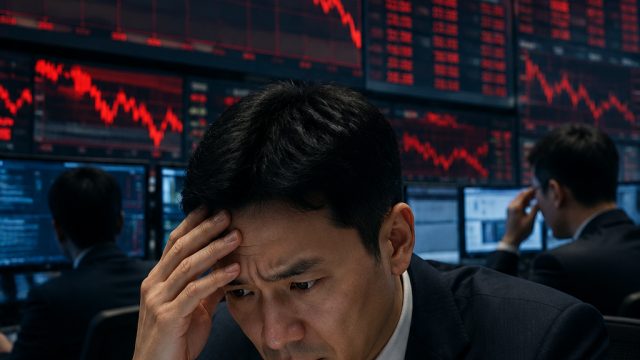
KOSPI Faces Dramatic Downturn Amid Regulatory Warnings on ETFs
In an unexpected turn of events, South Korea's KOSPI index has plunged nearly 10%, marking a significant moment in the financial landscape. As investors grapple with the implications of stringent regulatory caution regarding leveraged exchange-traded funds (ETFs), this downturn serves as a stark reminder of the volatility that can characterize global markets.
Understanding the KOSPI's Recent Performance
The KOSPI index, a major indicator of the South Korean stock market, has long been a barometer for regional economic health. However, the recent decline raises critical questions about investor confidence and the sustainability of current market trends. The plunge was triggered by warnings from financial regulators about the risks associated with leveraged ETFs, which have gained popularity among retail investors looking to maximize returns.
The Impact of Regulatory Warnings
Regulators in South Korea have raised alarms about the potential hazards of trading leveraged ETFs, which aim to amplify returns through borrowed funds. While these products can yield significant profits in bullish markets, they also pose substantial risks during downturns. The following points summarize key concerns:
- High-risk exposure: Investors may face substantial losses when markets decline.
- Market instability: Increased trading volume in leveraged ETFs can exacerbate market volatility.
- Investor education: A lack of understanding among retail investors can lead to poor decision-making.
Broader Market Implications
This sudden decline in the KOSPI not only affects South Korean investors but also has ripple effects across global markets. The interconnectedness of today's economies means that a significant drop in one major index can influence trading behavior and market sentiment elsewhere. Analysts are closely monitoring these developments to gauge potential impacts on international investment flows and economic stability.
Comparative Analysis with Other Markets
As the KOSPI tumbles, it's essential to compare it with performance indicators from other regions. For instance, the U.S. stock market has displayed resilience, despite ongoing economic uncertainties. Market players might seek to shift their investments towards areas showing more stability, potentially causing further shifts in the global investment landscape.
What’s Next for Investors?
Given the current market dynamics, investors must remain vigilant and adaptable. Here are several strategies to consider in light of the KOSPI's significant downturn:
- Diversification: Spreading investments across various asset classes can mitigate risks.
- Research: Staying informed about market trends and regulatory changes is crucial for making informed decisions.
- Long-term perspective: Maintaining a long-term investment approach can help ride out short-term volatility.
Conclusion: Navigating Uncertain Waters
The recent plunge of South Korea's KOSPI highlights the inherent volatility within financial markets, particularly influenced by leveraged investment products. As the situation unfolds, both novice and seasoned investors must assess their strategies and be prepared for potential market fluctuations. The warning from regulators serves not only as a caution but also as a reminder of the importance of understanding the products in which one invests. It's a challenging yet pivotal moment that calls for diligence, education, and a proactive approach to investment.