
Key Takeaways
- Colorful interiors enhance guest experience and satisfaction.
- Vibrant designs reflect a hotel's unique brand identity.
- Investing in decor can drive higher guest retention rates.
- Color psychology influences mood and overall hotel ambiance.
- 2023 trends emphasize personalization in guest room design.
The Impact of Color on Guest Experience
As we navigate through 2023, the significance of colorful interiors in the hospitality industry becomes increasingly apparent. Hotels are no longer mere places for a night's stay; they are curated experiences where ambiance is key. A well-designed guest room can evoke emotions, enhance relaxation, and boost overall satisfaction. Today, travelers seek unique experiences and vibrant environments that reflect their personas.'
The Psychological Benefits of Color
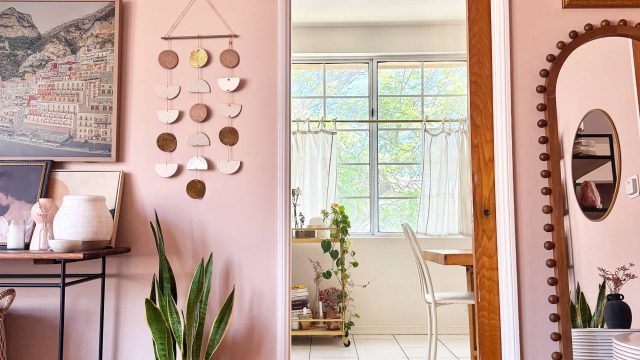
Color psychology plays a crucial role in how guests perceive their surroundings. Bright hues like pink, teal, and yellow can uplift mood and foster a sense of happiness, whereas more subdued tones promote relaxation. Hotels using these insights into design can create spaces that not only attract guests but also ensure they leave with fond memories.
Designing with Purpose
Incorporating vibrant colors into guest rooms is more than just aesthetics; it’s about storytelling. Each color can represent a narrative that aligns with the hotel’s values. For instance, a Bali-based hotel may implement tropical hues to reflect its lush surroundings, while an urban hotel in Jakarta could lean into bold, modern palettes that resonate with city life. This approach not only enhances the visual appeal but also connects guests emotionally to their environment.
Current Trends in Hotel Design
As the landscape of the hospitality industry evolves, so do the design preferences of travelers. Recent studies indicate a rise in demand for personalized accommodations. Guest rooms adorned with colorful accents or thematic decor that reflects local culture can lead to higher rates of guest engagement. This trend is particularly evident in Southeast Asia, where diverse cultures allow for an exciting array of design possibilities.
Case Studies: Successful Implementations
Several hotels across Indonesia exemplify the power of color in hospitality. One notable example is a boutique hotel in Surabaya, which features a vibrant mix of Indonesian art and modern design, creating an inviting atmosphere for visitors. Similarly, establishments in Bali are embracing local colors and textures, helping guests feel more connected to their surroundings.
Leveraging Social Media for Marketing
In today’s digital age, showcasing colorful interiors on platforms like Instagram and Pinterest can significantly enhance a hotel's visibility. Engaging visuals of well-designed guest rooms can attract potential visitors, leading them to consider booking stays. Thus, investing in striking designs not only improves guest experiences but also serves as an effective marketing strategy.
Conclusion: The Future of Hospitality Interiors
As the world of hospitality continues to adapt, the importance of incorporating vibrant colors into guest room designs will only grow. Hotels that embrace this trend stand to benefit not only from enhanced guest experiences but also from increased brand loyalty and visibility. As travelers increasingly seek personalized and memorable experiences, the way forward lies in creating spaces that resonate with their desires for beauty and connection. Now is the perfect time for hospitality providers to rethink their design strategies and align them with current trends, ensuring they remain competitive in a dynamic market.