
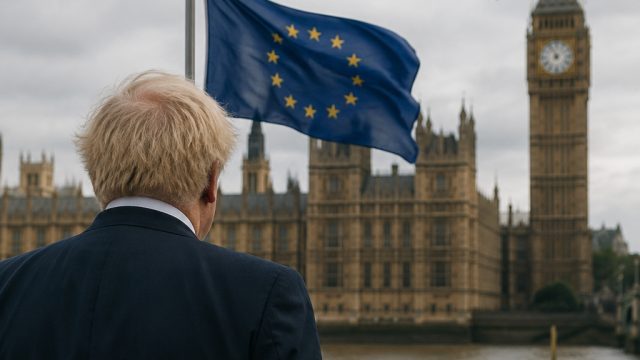
As the United Kingdom marks the tenth anniversary of Brexit, the political landscape continues to shift dramatically, raising critical questions about the future direction of the nation. The recent resignation of Keir Starmer has highlighted not just individual leadership challenges but also deeper systemic issues facing the UK in a post-Brexit era. Understanding these dynamics is essential for anyone interested in the country’s political climate and its implications for governance.
The Current Political Climate: Starmer's Departure
Keir Starmer's recent announcement to resign has sent shockwaves through the political sphere. His leadership, once seen as a potential stabilizing force for the Labour Party, has now sparked discussions about the future of UK governance. As the country grapples with an array of challenges, from economic instability to social unrest, Starmer's exit raises questions about what comes next.
Analyzing Reasons Behind Starmer's Resignation
- A shift in public support: Recent polling indicates a decline in confidence in Starmer's ability to lead.
- Internal party disagreements: Starmer faced significant pushback from within the Labour ranks, complicating his leadership.
- National issues: Ongoing economic hardships and public dissatisfaction played a crucial role in his decision.
Brexit's Enduring Legacy on UK Politics
The aftermath of Brexit has had profound effects on UK governance and party politics. The decision to leave the European Union was not simply a political maneuver; it has reshaped the national dialogue and altered relationships both domestically and internationally. With the political landscape continuing to evolve, understanding the ramifications of these choices is essential.
The Revolving Door of Leadership
Since Brexit, the UK has witnessed a series of leadership changes, often described as a 'revolving door' of prime ministers. This instability raises questions about the effectiveness of current governance:
- How do constant changes in leadership impact policy continuity?
- What does this mean for public trust in government institutions?
- Can the UK maintain a cohesive strategy on critical issues like the economy and health care?
The Broader Implications of Leadership Changes
The ongoing shifts in leadership have broader implications that extend beyond party politics. As the UK grapples with its identity post-Brexit, the political turmoil reflects a nation still in search of direction. The challenges facing the UK today are not merely about who leads but about the vision for the future.
Key Areas of Concern
- Economic Stability: The economic landscape remains precarious, with inflation and job security at the forefront of public concern.
- Social Cohesion: Increased polarization within the public reflects deeper societal divisions, potentially leading to unrest.
- Global Standing: The UK's position on the world stage continues to evolve, impacting trade relationships and diplomatic ties.
What Lies Ahead for the UK?
As the nation reflects on the last ten years, the pressing question is what lies ahead. The upcoming leadership race within the Labour Party could be pivotal in shaping the future direction of the UK. It will be critical for new leaders to address not only party-specific concerns but also the broader issues affecting citizens' lives.
Looking to the Future
Moving forward, the UK must confront its challenges head-on. This involves not just rebuilding trust in political institutions but also formulating coherent policies that address the pressing needs of the populace. With the political landscape in flux, the potential for change is immense, but it requires a unified vision and proactive leadership.
In conclusion, the resignation of Keir Starmer is more than a personal decision; it is a reflection of the broader issues and challenges facing the UK ten years post-Brexit. As the country stands at this critical juncture, the path taken in the coming months will determine not only the future of the Labour Party but also the future of governance in Britain itself.