
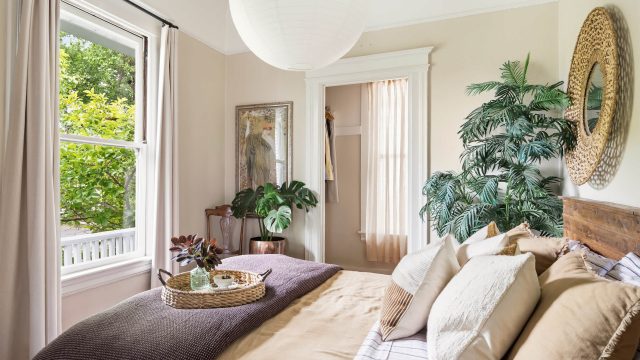
Redefining Hospitality Through Innovative Design
In today's vibrant hospitality sector, particularly throughout Southeast Asia, hotels increasingly adopt creative design elements that surprise and delight guests. One emerging trend is the innovative use of color and art in rooms, especially in unexpected places like bathrooms. This approach not only elevates aesthetics but also enhances the overall guest experience, making stays memorable.
Key Takeaways
- Unique design choices are crucial for attracting modern travelers.
- Creative use of color and art can transform a typical hotel bathroom.
- Innovations in hotel design can lead to competitive advantages.
- Guest preferences increasingly favor personalized and engaging environments.
- Southeast Asia's hospitality market is ripe for these innovative trends.
Why Unique Design Matters Now
The hospitality industry, especially in regions like Indonesia with vibrant cities such as Jakarta and Bali, is evolving rapidly. As travelers become more discerning, the demand for unique and memorable hotel experiences grows. Properties that adapt by incorporating unexpected design choices can stand out in a saturated market. This trend is not just about aesthetics; it reflects a deeper understanding of guest psychology and preferences.
The Role of Color in Guest Rooms
Color plays a pivotal role in evoking emotions and influencing perceptions. Many hotels are shifting from traditional color palettes to bolder choices, even in bathrooms—traditionally overlooked areas. For example, vibrant hues and striking wall art can invigorate a space, making it more inviting and enjoyable.
Integration of Art and Local Culture
Incorporating local art into hotel design offers guests a sense of place that enhances their connection to the destination. Features such as murals by local artists or themed décor items can resonate with visitors, particularly in culturally rich regions like Surabaya and Bali. These thoughtful touches create memorable experiences that go beyond the standard hotel stay.
Design Innovations That Guests Appreciate
Modern travelers seek out hotels that offer more than just a place to sleep. They are looking for experiences that reflect their personal tastes and interests. Here are some design innovations currently gaining traction:
- Themed Rooms: Hotels are creating immersive environments that transport guests, such as rooms inspired by local folklore or natural landscapes.
- Functional Spaces: Optimizing space with multifunctional furniture encourages guest interaction and relaxation, especially for those traveling in groups.
- Outdoor Elements: Integrating nature into design—like biophilic interiors or outdoor bathrooms—enhances tranquility and relaxation.
- Technology Integration: Smart rooms equipped with voice-controlled amenities and app connectivity cater to tech-savvy travelers.
The Impact on Guest Experience
These innovative design approaches are not merely aesthetic; they significantly impact the overall guest experience. An aesthetically pleasing environment contributes to guests feeling more relaxed, happy, and engaged during their stay. As a result, hotels that focus on unique design elements often see higher satisfaction ratings and repeat bookings.
Conclusion: The Future of Hotel Design
As the hospitality landscape evolves, embracing unexpected design choices is becoming increasingly vital. Hotels that prioritize creative, engaging, and thoughtful design are not only meeting the desires of today's travelers but also setting themselves up for future success. The Indonesian market, with its growing tourism sector, presents immense opportunities for properties willing to innovate. By focusing on unique design elements, hotels can enhance guest experiences and stand out in an ever-competitive environment.