
Key Takeaways
- Sustainable design is trending in hospitality, offering stylish solutions.
- Secondhand materials can reduce costs and enhance aesthetics.
- Eco-friendly choices resonate with environmentally conscious travelers.
- Renovating with sustainability can boost a hotel's market appeal.
- Southeast Asia is increasingly adopting these design principles.
The Importance of Sustainable Design in Hospitality
In today's competitive hospitality market, hotels are increasingly prioritizing sustainable design. This approach not only reduces their environmental footprint but also attracts a growing demographic of eco-conscious travelers. With the rise of initiatives such as the ASEAN Green Hotel Standard, hotels across Southeast Asia, particularly in bustling markets like Jakarta, Surabaya, and Bali, are embracing eco-friendly practices that blend luxury with sustainability.
Trends Driving Sustainable Hotel Interiors
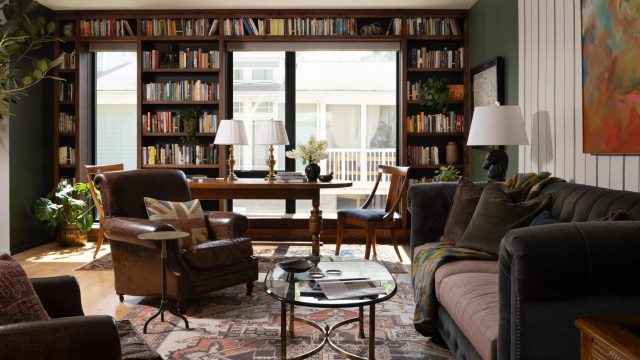
One of the most compelling trends in hotel design today is the move towards secondhand and upcycled materials. This practice allows hotels to create unique and stylish interiors without the need for new, resource-intensive materials. Designers are increasingly sourcing furnishings and decor from vintage shops, auctions, and online platforms, resulting in a blend of styles that feels both timeless and contemporary. This not only supports local economies but also gives guests a sense of place. In regions like Southeast Asia, this is especially pertinent as travelers seek authentic experiences over cookie-cutter hotel aesthetics.
Why Secondhand Matters
Using secondhand items can significantly lower renovation costs while contributing to sustainability. The current global emphasis on reducing waste aligns perfectly with this approach. Here are some reasons why secondhand materials are gaining traction:
- Cost Efficiency: Sourcing secondhand items often reduces overall renovation expenses.
- Unique Aesthetics: Vintage or upcycled pieces can create a distinctive hotel vibe that appeals to guests.
- Environmental Impact: Utilizing existing resources helps decrease the demand for new materials.
- Cultural Heritage: Incorporating local secondhand items can enhance the authenticity of the guest experience.
Enhancing Guest Experience Through Eco-Friendly Choices
Hotels are not just places to stay; they are destinations in themselves. As such, enhancing the guest experience is paramount. Implementing sustainable practices can significantly elevate how guests perceive their stay. For example, hotels that highlight their commitment to sustainability often see improved customer loyalty and satisfaction, as travelers increasingly seek accommodations that align with their values.
Creating a Green Narrative
Hotels can craft an engaging narrative around their sustainable initiatives. By showcasing their use of eco-friendly materials and practices, hotels can inspire guests to appreciate their commitment. This can include:
- Informative brochures detailing sustainable practices used in the hotel.
- Interactive experiences that teach guests about local environmental issues.
- Partnership with local artisans for decor to support the community.
- Offering workshops on sustainability and eco-friendly living.
Conclusion: The Future of Hotel Design is Sustainable
As the hospitality industry continues to evolve, embracing sustainable design is no longer optional but necessary for success. Hotels that leverage secondhand materials and consider the environmental impact of their choices will not only attract guests but also foster loyalty. With increasing awareness and demand for eco-conscious options, embracing sustainability in hotel interiors is a timely and strategic investment. As the industry moves toward 2024, the opportunity to revitalize hotel spaces with a sustainable focus is ripe for the taking. Connect with Brastonix to explore how we can help you incorporate these important trends into your hotel’s design.