
Key Takeaways
- Trends like oversized bathtubs are declining in popularity.
- Minimalism is giving way to more personalized spaces.
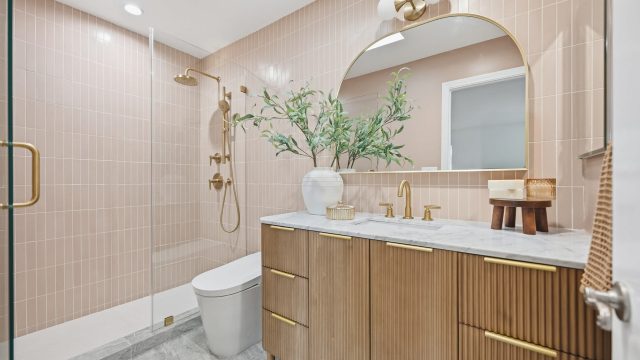
- Bold colors are preferred over sterile whites.
- Integrated technology is becoming a necessity.
- Natural materials are favored over synthetic finishes.
Understanding Outdated Trends
As we move towards 2026, the landscape of bathroom design is transforming rapidly. What was once considered the epitome of elegance may soon feel stale. In the competitive realm of hotel hospitality, staying updated with these trends is crucial to attracting discerning guests.
The Decline of Oversized Bathtubs
Once a hallmark of luxury, oversized bathtubs are losing their charm. Guests are now gravitating towards functional spaces that optimize smaller bathrooms. Instead of taking up precious space, hotels are redesigning their bathrooms to feature more efficient layouts, making room for amenities that enhance the guest experience.
Personalization over Minimalism
While minimalism had its time in the spotlight, it is now often seen as bland. The modern traveler seeks a unique connection to their surroundings. Hence, hotels are incorporating bespoke features into their bathrooms, such as custom cabinetry and locally sourced decor that reflect the Indonesian culture. This trend is particularly relevant in cities like Jakarta and Bali, where local artistry can shine.
Shifting Color Palettes
Gone are the days of sterile white bathrooms. The trend in 2026 favors bold colors and striking contrasts. Hot hues and vibrant tiles are becoming popular choices, allowing hotels to create inviting atmospheres. These vibrant colors help set the mood and make bathrooms feel less clinical. Bright colors are not only appealing but also aid in branding efforts, distinguishing hotels from competitors.
The Rise of Integrated Technology
As technology continues to advance, integrated solutions in bathroom design are no longer optional. Features like smart showers and touchless faucets are in demand. Travelers increasingly expect high-tech conveniences, and hotels must adapt accordingly. Implementing these technologies can significantly enhance the guest experience, encouraging longer stays and positive reviews.
Emphasizing Natural Materials
Sustainability is a growing concern for many travelers. As such, natural materials are becoming more desirable than synthetic finishes. Elements like bamboo, reclaimed wood, and stone are not only aesthetically pleasing but also signal a commitment to eco-friendly practices. In the Southeast Asian market, especially in Indonesia, using local materials can create a unique and luxurious feel that resonates with guests.
Conclusion
In conclusion, understanding the shift away from outdated bathroom trends is essential for the hospitality industry as we head into 2026. By focusing on personalization, the integration of technology, and the use of bold colors and natural materials, hotels can elevate their guest experiences and stay competitive in a rapidly changing market. As we embrace these changes, facilities that adapt to meet modern preferences will undoubtedly find success in the evolving landscape of hotel hospitality.