
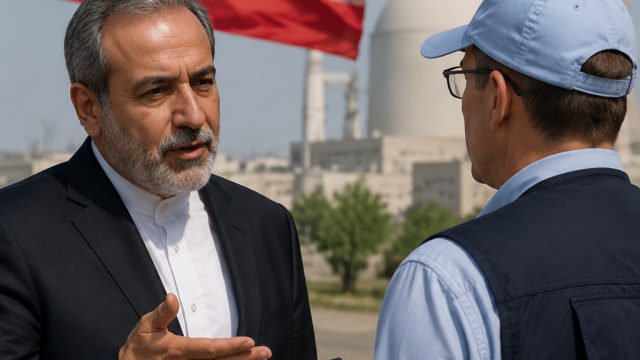
In a significant development on the geopolitical stage, Iran has publicly stated it will not allow inspections of its nuclear sites. This statement has raised alarms among international observers and has important implications for global diplomacy and security, especially concerning the control of the critical Strait of Hormuz. Understanding Iran's position in this context is crucial for assessing the future of international nuclear agreements and regional stability.
Iran's Firm Position on Nuclear Site Inspections
Iran has reiterated its refusal to permit inspections of its nuclear facilities, emphasizing that it maintains full control over these sites. This declaration comes amidst ongoing tensions with Western nations and underscores Iran's intent to act independently in matters related to its nuclear program. The country's leadership has made it clear that any foreign intervention or oversight is unwelcome, a stance that complicates diplomatic efforts.
Context of Iran's Nuclear Program
Iran's nuclear ambitions have long been a point of contention. The nation insists that its nuclear program is for peaceful purposes, specifically energy production. However, skepticism persists among global powers, particularly the United States and its allies, who fear that Iran's intentions may lean toward developing military capabilities.
- Increased tensions after the U.S. withdrawal from the 2015 nuclear agreement.
- Iran's enrichment activities have raised concerns about potential weaponization.
- The role of international watchdogs like the IAEA in monitoring compliance.
Implications for the Strait of Hormuz
The Strait of Hormuz remains a critical maritime passage, where approximately 20% of the world's oil supply transits daily. Iran's position on nuclear inspections ties directly into its influence over this strategic waterway. The country's insistence on retaining control raises fears of potential disruptions in global oil markets.
Geopolitical Ramifications
As Iran asserts its authority over the Strait of Hormuz, several geopolitical implications arise:
- Global Oil Prices: Any hint of instability in this region can trigger fluctuations in oil prices, impacting economies worldwide.
- Military Presence: Increased military presence by nations in the region, particularly the U.S., could escalate tensions further.
- Alliances and Partnerships: Iran's defiance may prompt neighboring countries to reconsider their alliances and diplomatic relations.
International Response and Future Outlook
The international community is closely monitoring Iran's statements and actions. Diplomatic channels are still open, but Iran's refusal to negotiate on nuclear inspections poses a significant challenge. The potential for renewed sanctions or military responses remains on the table, depending on how the situation unfolds.
Possibilities for Resolution
While the current landscape appears turbulent, there are several avenues for potential resolution:
- Renewed Diplomatic Engagement: Countries may need to revisit diplomatic talks to find common ground.
- Economic Incentives: Offering economic benefits could persuade Iran to comply with international expectations.
- Backdoor Negotiations: Sensitive discussions behind closed doors may lead to breakthroughs.
Conclusion
As Iran solidifies its stance on nuclear inspections, the implications extend far beyond its borders. The potential impact on global oil markets, regional stability, and international diplomacy highlights the importance of continued engagement and dialogue. The world watches closely as the unfolding narrative presents both challenges and opportunities for peace and cooperation in the Middle East.