
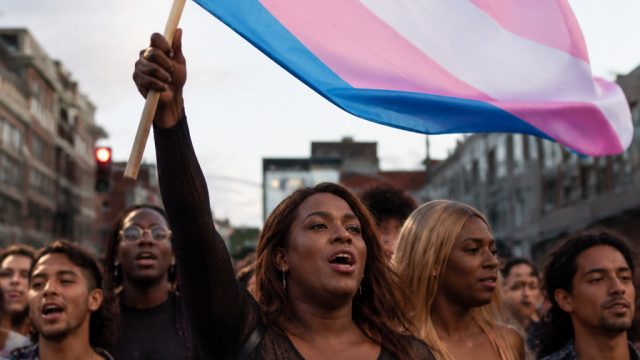
As we navigate the complexities of gender identity and expression, it is crucial to reflect on the historical milestones that have shaped the present-day landscape for the transgender community. Among these pivotal moments is the Compton's Cafeteria riot of 1966, a significant yet often overlooked event that marked the beginning of a fierce advocacy movement for transgender rights in San Francisco. As we dissect the implications of this riot today, it becomes evident why understanding such historical precedents is imperative in our ongoing fight against campaigns that seek to marginalize trans individuals.
The Catalyst: Understanding the Compton's Cafeteria Riot
The Compton's Cafeteria riot was not merely an act of rebellion; it was an assertion of identity by trans women, drag queens, and queer individuals who had endured systemic oppression and violence. This event unfolded in the Tenderloin district of San Francisco, a hub for LGBTQ+ gatherings in the mid-20th century. On a fateful night, a confrontation erupted when a group of patrons fought back against police harassment, leading to a riot that would become a cornerstone of transgender activism.
The Aftermath and Its Impact
This courageous stand against discrimination had lasting effects, fostering a sense of community and solidarity among trans individuals. In the wake of the riot, local organizations emerged to address the needs and rights of the transgender community, paving the way for future advocacy and reform.
- Establishment of support groups for transgender individuals.
- Increased visibility of LGBTQ+ issues in local politics.
- Creation of safe spaces for queer expression.
- Advocacy for legal protections against discrimination.
Current Relevance: Why This Matters Now
In today's climate, campaigns aimed at erasing transgender identities remain prevalent in various sectors, from politics to social media. The legacy of the Compton's Cafeteria riot serves as a reminder that the struggle for acceptance and equality is ongoing. With recent legislative actions targeting trans rights, it is crucial for the LGBTQ+ community and allies to mobilize and advocate for inclusion and understanding.
Mobilizing for Change
Understanding the historical context of the Compton's Cafeteria riot empowers us to challenge contemporary injustices. Here’s how communities can contribute to ongoing advocacy:
- Support local LGBTQ+ organizations working on the frontlines.
- Engage in dialogues that promote awareness about trans issues.
- Participate in or organize events that celebrate trans culture.
- Utilize social media platforms to amplify trans voices and stories.
Celebrating Resilience and Empowerment
The Compton's Cafeteria riot exemplifies the power of resistance and the importance of solidarity within marginalized communities. As we honor those who stood up against injustice, we must also recognize the ongoing fight for trans rights and visibility. The courage displayed during that pivotal night continues to inspire new generations of activists dedicated to fostering a safer and more inclusive society.
The Role of Education in Advocacy
Education plays a vital role in dismantling prejudice and fostering understanding. By incorporating LGBTQ+ history into educational curricula, we can nurture a more compassionate society. It is essential to highlight these narratives not only in academic settings but also in public discourse, encouraging broader engagement with trans issues.
Conclusion: A Call to Action
The Compton's Cafeteria riot is not just a moment frozen in time; it is a living legacy that informs our current struggles for equality and recognition. As we reflect on this historical event, let us recommit ourselves to the fight against erasure and advocate for the visibility and rights of all trans individuals. Together, we can honor the past while paving the way for a more inclusive future for generations to come.