
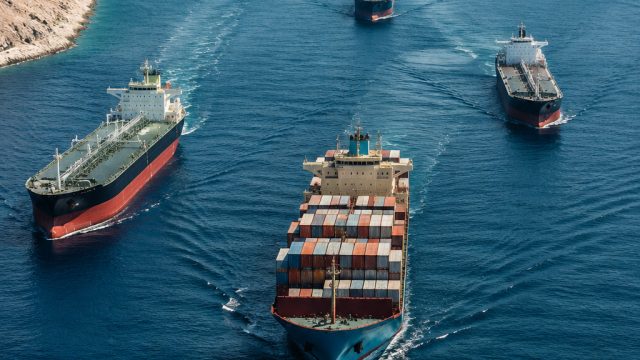
The Strait of Hormuz, a crucial maritime corridor, is witnessing a notable increase in shipping traffic amidst ongoing geopolitical tensions. As of this week, various news sources have reported conflicting claims regarding Iran's control over this vital waterway, further complicating the situation for international shipping.
The Importance of the Strait of Hormuz
The Strait of Hormuz is a narrow passage where approximately 20% of the world’s oil trade flows. This makes it a significant chokepoint for maritime trade, especially for oil-exporting countries in the Gulf region. Recent developments have raised concerns among shipping companies and global markets regarding the safety and efficiency of transit through this route.
Current Traffic Patterns
Reports indicate a steady increase in vessel traffic through the Strait of Hormuz. This rise can be attributed to several factors:
- Increased Oil Demand: As economies worldwide recover, the demand for oil has surged, prompting more vessels to navigate through the Strait.
- Geopolitical Tensions: The climate of uncertainty surrounding Iran's nuclear program and its maritime activities adds to the complexity, making shipping through this area riskier.
- Shipping Routes Adjustments: Companies are adjusting their routes in response to regional conflicts, leading to a change in traffic dynamics.
Iran's Stance and Its Consequences
Iran's government has made assertive moves to secure its influence over the Strait of Hormuz. Recent statements from Iranian officials suggest that they may restrict maritime operations in the region until certain political conditions are met. Such assertions have prompted both concern and speculation among international shipping entities and governments.
Effects on Global Shipping
The implications of these developments are significant:
- Increased Insurance Costs: Insurance premiums for vessels navigating the Strait may rise due to perceived risks, impacting shipping costs.
- Potential Delays: Ships may face delays as they navigate areas with heightened military presence and surveillance.
- Supply Chain Disruptions: Any significant event affecting traffic could lead to immediate disruptions in global oil supply and broader economic repercussions.
What Lies Ahead?
As shipping traffic in the Strait of Hormuz continues to rise, the global community must remain vigilant. The intersection of economic interests and geopolitical strategies will play a pivotal role in shaping future maritime operations in the region. Stakeholders, including shipping companies, governments, and oil producers, must be prepared to adapt to the evolving landscape.
Conclusion
The surge in traffic through the Strait of Hormuz underscores the challenges faced by global shipping in a complex geopolitical climate. Understanding these dynamics is essential for businesses and governments alike, as they navigate the intricate web of international trade and security in one of the world's most critical maritime corridors.