
As of the end of 2016, my country's elderly population over 65 years old exceeded 150 million, accounting for 10.8% of the total population. The total number of various types of elderly care beds is 7.302 million, and there are 31.6 elderly care beds for every 1,000 elderly people. As my country's aging process continues to accelerate, the demand for the elderly care industry will continue to grow rapidly, but the uneven supply and demand in the elderly care market remains difficult to solve.
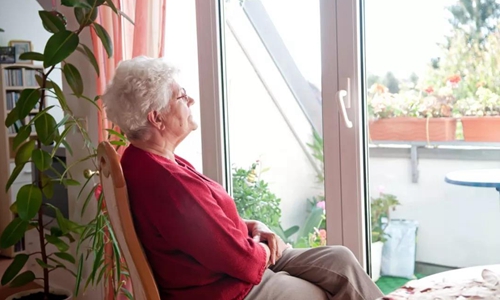
Faced with such a big blue ocean of "senior care", and accompanied by the policies of governments at all levels to encourage the elderly care industry, not only the real estate industry wants to eat this big cake, but the hotel industry also regards it as a way out for transformation.
Is the transformation of elderly care helpless or a new opportunity?
Recently, in the "Yalinghui" B&B nursing home in Shuangpu Town, Xihu District, Hangzhou, 18 elderly people staying in this B&B-style nursing complex enjoyed an elegant environment and considerate services. Operated by a third party and led by the government, the B&B elderly care complex not only solves the problem of low B&B occupancy rates, but also meets the elderly care needs of local residents.
In mid-October, Beijing Tourism Group transformed one of its hotels into a high-quality senior care community and entered the senior care industry.
“Elderly care” has become an important direction in the transformation of hotels. For some hotels, health care residence is a “life-saving straw” in desperation, while for other hotels, it is a new opportunity to add icing on the cake.
In recent years, the pressure on the development of budget hotels has been increasing day by day. Judging from the annual reports of several major budget hotels, both occupancy rates and RevPAR (revenue per available room) have shown a downward trend. Previously, Huamei's chief knowledge expert Zhao Huanyan also said that budget hotels have entered a slowdown stage in recent years. A large number of leased properties have expired, and rents and labor are rising. However, the average room revenue in the market is declining, and the occupancy rate is also declining. The golden age of budget hotels is over. The cost of property in a good location is too high, and even if you are willing to bid, you may not be able to get a good property. "
Taking advantage of policies to transform into elderly care may be another possible way out for the development of economy hotels that are not very good.
Facing China’s increasingly aging trend, “having a place to live for the elderly” is an urgent social problem that needs to be solved, and high-end retirement hotels are located in this blue ocean zone and have become a retirement care method favored by wealthy families in the city.
There are two types of elderly care industries: one is residential elderly care, and the other is nursing care. The intervention of high-end hotels in the elderly care industry can cleverly integrate the two organically. Whether it is from the perspective of social background, market demand factors, or the internal development of high-end hotels, the transformation of senior care has become a trend.