
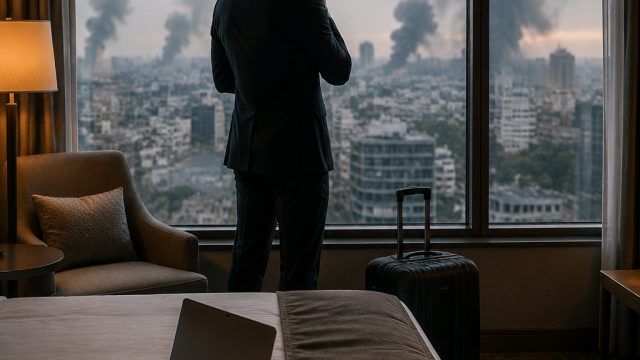
The hospitality industry is profoundly influenced by global events, and recent conflicts have pushed hoteliers and guest room providers to adapt rapidly. With rising concerns about safety and the shifting landscape of travel, understanding these trends is crucial for maintaining a successful business.
The Ripple Effects of Global Conflicts
Conflicts around the world can lead to a significant decline in tourism. Destinations previously known for their viability become less attractive when violence and instability are imminent. Travelers are increasingly aware of where their destinations stand in terms of safety. Here are key elements that illustrate this trend:
- Travel Advisories: Governments are quick to issue advisories, affecting travel plans.
- Changing Consumer Sentiments: Visitors are more cautious, often opting for locales that guarantee safety.
- Insurance Policies: Travel insurance companies are adjusting their policies to reflect new realities.
Adapting to Changing Guest Expectations
More than ever, guests are prioritizing safety and transparency when choosing accommodations. They demand clarity on health protocols and security measures, which has led to innovative strategies in the hotel sector.
Enhanced Safety Measures
Hoteliers are investing in enhanced safety protocols. Here are some of the measures being implemented:
- Regular sanitation of high-touch areas to ensure hygiene.
- Staff training programs focused on emergency situations.
- Real-time updates on local conditions shared through hotel communication channels.
Emphasizing Customer Communication
Effective communication can ease guest concerns. Hotels are leveraging technology to keep customers informed about:
- Emergency procedures and evacuation routes.
- Updates on local events and travel advisories.
- Changes in service offerings due to health protocols.
The Role of Technology in Hospitality
As the hospitality sector adapts, technology plays a crucial role in shaping the guest experience. From contactless check-in systems to virtual concierge services, technology is helping hotels maintain a competitive edge.
Contactless Services
In response to safety concerns, many hotels are implementing contactless services to enhance the guest experience:
- Mobile apps for check-in/check-out processes.
- Digital room keys to minimize physical contact.
- In-app dining services for room service.
Data-Driven Insights
Data analytics is becoming a cornerstone of decision-making. Hotels can analyze guest feedback and booking patterns to tailor their services effectively:
- Understanding peak travel times and adjusting staffing accordingly.
- Using guest preferences to enhance personalization in services.
- Tracking changes in consumer behavior to prepare for upcoming trends.
Preparing for a Resilient Future
As global conflicts continue to affect travel, the hospitality industry must remain agile. There are several strategies that can help hoteliers prepare for an uncertain future:
- Diversifying target markets to reduce reliance on any single demographic.
- Building strong partnerships with local businesses to create comprehensive guest experiences.
- Investing in sustainable practices to appeal to eco-conscious travelers.
Conclusion
In a world where conflicts can arise unexpectedly, the ability to adapt is essential for the hospitality industry. By understanding the implications of these global events and responding proactively, hotels can not only survive but thrive in the changing landscape. The key lies in safety, transparency, and the strategic use of technology.