
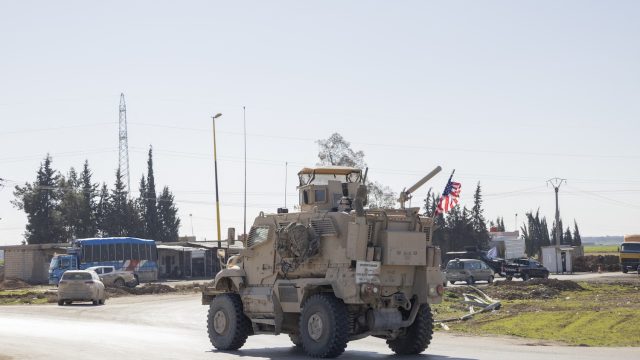
The role of the United States military in the Middle East has long been a topic of heated debate, especially in the context of energy security. As tensions rise in this already volatile region, the question arises: does U.S. military intervention truly ensure stability or does it create more disruptions? Recent events suggest that understanding this dynamic is more critical now than ever.
The Historical Context of U.S. Military Involvement
For decades, the U.S. has maintained a military presence in the Middle East, citing the need to protect vital shipping lanes and ensure the free flow of oil. However, the effectiveness of these missions is increasingly being called into question. Rather than fostering stability, many argue that U.S. interventions have inadvertently exacerbated conflicts, making the region more dangerous.
Shifting Geopolitical Dynamics
Historically, U.S. actions were framed as efforts to prevent hostile powers from disrupting oil supplies. Yet, as regional players become more assertive, the U.S. finds itself in a complex chess game. With countries like Iran enhancing their military capabilities, the stakes are higher than ever.
- Rising Tensions: Recent military exercises by Iran have heightened fears of conflict, causing fluctuations in global oil prices.
- Regional Relationships: The U.S. relationship with Middle Eastern allies has become increasingly strained, complicating diplomatic efforts.
- Energy Markets: Unpredictable military actions pose risks to energy markets, impacting consumers worldwide.
The Economic Implications of Military Presence
The U.S. military's involvement in the Middle East has significant consequences for global energy markets. With oil being a lifeblood for many economies, any disruption can lead to far-reaching effects. Analysts are now closely monitoring how military actions influence oil supply and stability.
Oil Supply and Pricing Dynamics
As military tensions rise, oil prices tend to respond accordingly, which raises questions about the sustainability of U.S. military presence:
- Price Volatility: Increased military operations can lead to spikes in oil prices due to fears of supply disruptions.
- Investment Shifts: Investors often pull back from the region during periods of heightened military activity, affecting long-term energy projects.
- Global Impact: Changes in oil pricing can have cascading effects on economies far beyond the Middle East, influencing inflation and economic growth.
The Call for Strategic Reevaluation
Given the complexities of the current geopolitical landscape, there is a growing consensus among experts that the U.S. must reconsider its military strategy in the Middle East. By adopting a more restrained approach, the U.S. could help to de-escalate tensions and promote a more stable environment for energy flow.
Pros and Cons of Military Intervention
As the U.S. evaluates its military presence, weighing the pros and cons of intervention is crucial:
- Pros:
- Contributes to short-term security for allies.
- Deters aggressive actions from hostile nations.
- Cons:
- Often leads to unintended consequences and escalated conflicts.
- Can strain diplomatic relations with regional partners.
Conclusion: Rethinking Military Strategy for a New Era
The current military dynamics in the Middle East present both challenges and opportunities for the U.S. As global energy needs evolve and regional powers assert their influence, the U.S. must adapt its approach to military presence. A strategic reevaluation could foster a more stable environment, benefiting not only regional players but also the global economy. Understanding these shifts is critical for policymakers and industry leaders as they navigate the complexities of energy security in a changing world.