
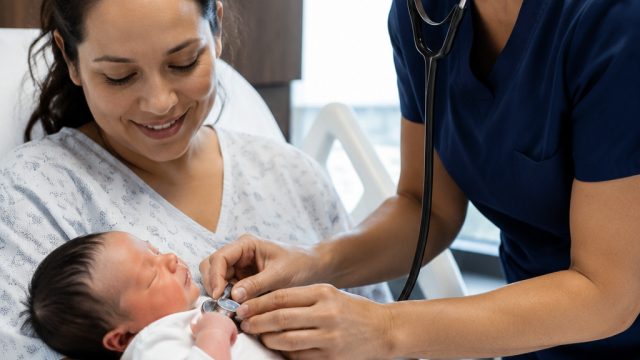
The ongoing debate surrounding birthright citizenship is intensifying, particularly in light of its implications for healthcare access for newborns. As the Supreme Court prepares to address this pressing issue, it’s essential to examine how such rulings could affect parents and their infants, especially in today’s rapidly changing legal landscape.
Current Legal Landscape of Birthright Citizenship
Birthright citizenship, the principle that grants citizenship to individuals born on a country's soil, has been a foundational element of U.S. immigration law since the 14th Amendment was ratified in 1868. However, recent discussions have brought this principle under scrutiny, particularly regarding its impacts on public services like healthcare.
Historical Context of Birthright Citizenship
- Adoption of the 14th Amendment
- Key Supreme Court cases supporting birthright citizenship
- Changes in immigration policy over the decades
Healthcare Access for Newborns: A Critical Issue
With the impending Supreme Court case on the horizon, many are concerned about how a decision could reshape healthcare access for infants born to non-citizen parents. Currently, infants born in the U.S. are eligible for healthcare benefits, including Medicaid and CHIP, regardless of their parents' immigration status. However, a potential reversal of birthright citizenship could drastically alter this situation.
Potential Impact on Healthcare Services
If birthright citizenship were to be redefined or revoked, the following scenarios could unfold:
- Increased barriers to healthcare access for newborns of non-citizen parents.
- Potential rise in uninsured infants, leading to long-term health implications.
- Heightened anxiety among expectant parents regarding their children's future healthcare options.
Why This Matters Now
The timing of this discussion is critical as the U.S. grapples with various health crises, including rising healthcare costs and access disparities. The outcome of this legal battle could set significant precedents that affect millions of families across the country, making it a vital issue for all citizens.
The Societal Ramifications
The potential ramifications of altering birthright citizenship extend beyond individual families; they encompass broader societal implications:
- Strain on emergency services if infants cannot access necessary healthcare.
- Long-term public health challenges arising from untreated conditions in newborns.
- Changes in public policy that could resonate across various sectors beyond healthcare.
Conclusion
As we await the Supreme Court's decision on birthright citizenship, it is crucial to stay informed about the potential impacts on healthcare access for infants. Understanding the intersection of citizenship and healthcare can empower parents and advocates to engage in meaningful discussions about policy and rights. The implications of this case are not just legal— they strike at the heart of family health and community well-being. Let us remain vigilant in our advocacy for equitable healthcare access for all children, irrespective of their citizenship status.