
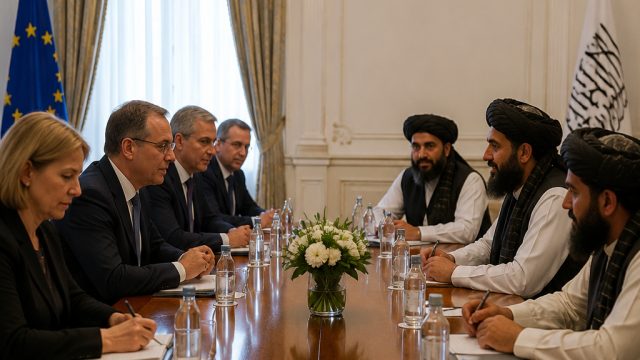
In a historic move, the European Union has convened for the first time with Taliban representatives to address pressing issues surrounding Afghan deportations. This unprecedented event marks a significant shift in diplomatic relations between the EU and the Taliban, raising important questions about human rights, governance, and the future of Afghanistan.
Context of the Talks
The recent discussions in Brussels come amid increasing pressure on European nations to manage the influx of Afghan refugees while addressing their home countries' political complexities. The Taliban's resurgence following the U.S. withdrawal from Afghanistan has created an urgent need for dialogue, particularly regarding the status and treatment of deportees.
Why Now?
The timing of these talks is critical. With winter approaching, many Afghans are facing dire conditions, and the EU must navigate the complicated terrain of providing humanitarian support while ensuring national security. The European Commission has faced criticism for its handling of Afghan refugees, prompting officials to seek direct engagement with Taliban representatives.
Key Discussion Points
- Deportation Policies: How will the Taliban handle deportees returning from Europe?
- Consular Access: The need for Taliban officials to establish consular services in EU member states.
- Human Rights Concerns: Addressing the treatment of returnees and the rights of Afghan citizens.
Implications for Afghan Refugees
The outcomes of these talks could set a significant precedent for how European nations treat Afghan refugees and how they handle the situation of returnees. The EU’s approach reflects broader geopolitical strategies and humanitarian considerations, which continue to evolve.
Support for Refugees
The growing number of displaced Afghans has prompted various EU countries to reconsider their immigration policies. Key aspects include:
- Providing temporary protection to Afghan refugees.
- Ensuring safe and humane deportation processes.
- Facilitating integration programs for those who remain in Europe.
Challenges Ahead
While the dialogue represents a step forward, significant challenges remain. EU officials must carefully balance diplomatic engagement with the Taliban against the backdrop of ongoing human rights violations reported within Afghanistan. Moreover, public sentiment in many European nations is divided regarding the Taliban's legitimacy and human rights record.
Public Opinion
The reception of the talks among EU citizens is mixed, with some advocating for engagement to promote stability in Afghanistan, while others fear legitimizing a regime known for repression. Key considerations include:
- The humanitarian impact on Afghan citizens.
- National security concerns within Europe.
- The EU's role in global governance and human rights advocacy.
Conclusion: A Pivotal Moment
The EU's engagement with the Taliban during these talks marks a pivotal moment in international relations and humanitarian policy. The outcomes of this dialogue hold the potential to reshape EU-Afghanistan relations, affect the lives of countless refugees, and influence global perceptions of the Taliban regime.
As the world watches closely, the implications of these discussions will be felt both within Afghanistan and across Europe. The need for a collaborative approach to address the multifaceted challenges posed by the Afghan crisis has never been more urgent.