
Key Takeaways
- Light colors help create an illusion of space.
- Soft whites and pastels are ideal for windowless rooms.
- Accent walls can add depth and character.
- Consider texture and finishes for added dimension.
- Color psychology affects mood and perception of space.
Understanding Color Impact in Small Spaces
When dealing with small, windowless rooms, the right color choice can significantly alter the perception of space and comfort. In Southeast Asia, particularly in bustling cities like Jakarta and Bali, many homes feature cozy rooms that can easily feel cramped without proper lighting. As homeowners look for ways to enhance their interiors, focusing on the psychological effects of color becomes crucial.
The Power of Light Shades
Light shades are your best friends in small spaces. Colors such as soft white, pale blue, and light gray can reflect light, creating a sense of openness. For instance, painting a room in a soft ivory can maintain a light and airy feel while providing a neutral backdrop for various decor styles. In regions like Indonesia, where humidity can be high, lighter colors also help to keep the atmosphere fresh and inviting.
Accent Walls for Added Depth
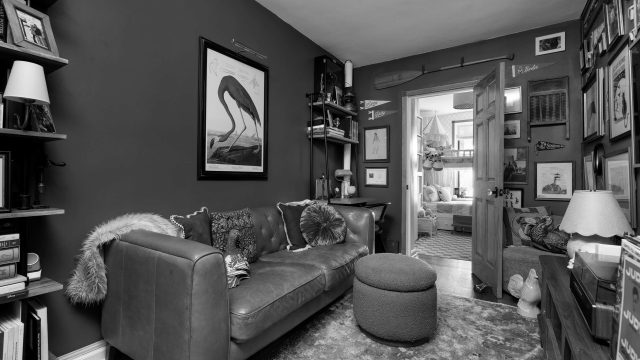
If you prefer a more dramatic approach, consider using an accent wall. A deeper hue like navy blue or forest green can provide a focal point without overwhelming the entire room. This technique allows you to embrace bold colors while maintaining a harmonious balance, especially in spaces such as small guest rooms or studio apartments. This trend has gained traction among hospitality solutions, where creating distinct zones can enhance guest experience.
Utilizing Texture and Finishes
Textures can also play a vital role in how colors are perceived. Matte finishes reflect less light but can give a cozy, enveloping feel, while glossier paints can enhance brightness by reflecting more light. In Southeast Asia's tropical climate, a satin or semi-gloss finish can be practical, as it withstands humidity better than flat paints.
Current Trends in Interior Color Choices
As we progress through 2023, the focus on sustainability in design has influenced color choices. Eco-friendly paints are becoming more accessible, enabling homeowners to select shades that are both stylish and safe. The trend leans towards natural hues that mirror the environment, such as earthy greens and sandy beiges. In urban areas of Indonesia, where modern design meets traditional elements, these colors create a soothing contrast to the fast-paced lifestyle.
Integrating Technology in Color Selection
With the rise of technology in home design, apps that simulate paint colors in virtual environments allow homeowners to visualize how different shades will affect their space. This innovation is particularly useful for those exploring color options for guest rooms or small living areas, ensuring the final choice enhances the room’s ambiance without compromising on comfort.
Color Psychology and Mood Enhancement
Color psychology plays a fundamental role in how we feel in our spaces. Warmer colors can evoke feelings of coziness and warmth, making them ideal for personal spaces. Conversely, cooler colors can instill a sense of calm and relaxation. As such, understanding how colors affect emotions is vital for designing areas where people unwind or work. In Indonesia’s hospitality sector, implementing these psychological insights can lead to improved guest satisfaction.
Conclusion: Creating Inviting Spaces
The right color choice in a windowless room can transform the environment, making it feel more spacious and inviting. As homeowners in Southeast Asia embrace innovative designs and sustainable practices, the ability to adapt colors in small spaces is essential. Whether you're refreshing your living room or designing a guest room, focusing on light shades, textures, and color psychology will ensure a balanced, harmonious atmosphere.