
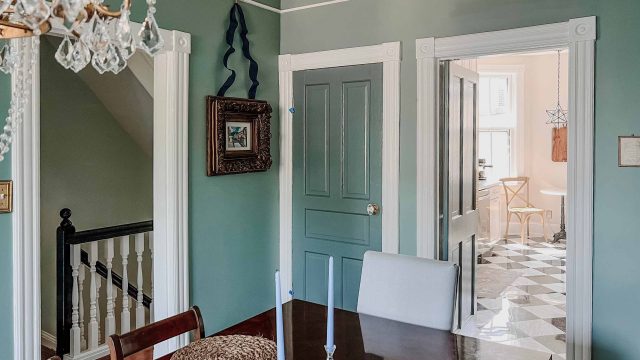
Key Takeaways
- Historic homes often feature unconventional kitchen designs.
- These quirks can enhance the home's character and market value.
- Innovative renovations can modernize older layouts.
- Unique properties may offer better deals in competitive markets.
- Homeowners can enjoy a blend of history and modern convenience.
The Allure of Unique Kitchen Design in Historic Properties
In the competitive housing markets of Southeast Asia, particularly in cities like Jakarta, Surabaya, and Bali, buyers are often drawn to the charm of historic homes. However, these properties frequently come with their own set of unique challenges, especially regarding kitchen layouts. Homes built in a different era often prioritize style and craftsmanship over the convenience of modern-day functionality. As a result, potential buyers face the dilemma of embracing quirky layouts that could either become beloved features or formidable obstacles.
Transforming Quirks into Opportunities
Understanding the Historical Context
The intricate designs and layouts of historic kitchens often reflect the cultural and social norms of their time. For instance, in many Southeast Asian homes, kitchens were traditionally situated at the back, emphasizing functionality and practicality. However, as living trends evolved, these layouts sometimes became impractical for contemporary lifestyles.
Innovative Renovations
Homeowners today have a unique opportunity to revamp these historic spaces while maintaining their charm. Here are some innovative ideas to consider:
- Open Floor Plans: Incorporate an open layout to connect the kitchen with dining and living areas.
- Modern Appliances: Upgrade to energy-efficient appliances that blend seamlessly into the historic aesthetic.
- Creative Storage Solutions: Utilize vertical space and custom cabinetry to maximize functionality.
- Preserving Character: Maintain original features like moldings and fixtures to honor the home's history.
Market Insights: Why Timing Matters
The current real estate market in Southeast Asia, particularly in urban centers, presents a unique opportunity for buyers interested in historic homes. As demand for properties with character rises, the market is becoming saturated with modern builds. This shift makes historical properties more appealing to a niche audience seeking distinctiveness. Moreover, homes with unique kitchen layouts may offer better value, as they often come at a lower price point due to their unconventional designs.
Conclusion: A Blend of Old and New
Investing in a historic home with an unusual kitchen layout can be a rewarding journey. With thoughtful renovations, homeowners can create spaces that honor the past while meeting modern needs. Embracing these quirks not only celebrates architectural heritage but also enhances personal living experiences. Whether it's a charming Victorian in Jakarta or a quaint cottage in Bali, historic homes offer unparalleled opportunities for creativity and personalization.