
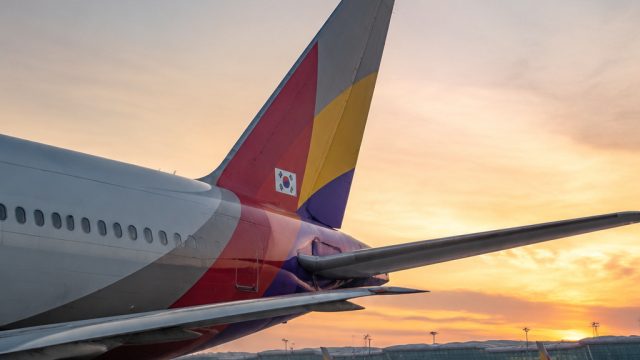
In a pivotal move for the airline industry, Asiana Airlines is set to exit the Star Alliance network on December 16th. This decision comes in the wake of its merger with Korean Air, marking a significant shift in airline alliances and travel logistics that could impact millions of travelers.
The Impact of the Merger on Airline Alliances
The merger between Asiana Airlines and Korean Air is not just a financial transaction; it's a strategic realignment within the aviation sector. Since joining Star Alliance in 2003, Asiana has been integral in providing seamless travel experiences for passengers. However, the merger necessitates a reevaluation of alliances, prompting Asiana's departure from Star Alliance.
Why is This Transition Important?
- Streamlined Operations: The merger aims to create a more efficient operation, with reduced redundancies and a unified customer service approach.
- Enhanced Flight Options: Travelers may benefit from an expanded network as Korean Air integrates Asiana's routes, potentially increasing flight availability.
- Impact on Frequent Flyers: Asiana's loyal customers will need to adapt to changes in loyalty programs and benefits associated with Star Alliance.
Customer Experience Considerations
As the landscape changes, the focus on customer experience remains paramount. With the shift away from Star Alliance, Asiana Airlines will have to ensure that its passengers continue to receive exceptional service. Maintaining existing benefits while transitioning to a new model under Korean Air will be critical.
What Travelers Should Know
For those planning to travel with Asiana Airlines in the coming months, here are a few key points to consider:
- Check Loyalty Program Changes: Frequent flyer benefits may change; it’s advisable to review the new policies after December 16th.
- Flight Changes: Stay updated on any route modifications or cancellations that may arise as the merger takes effect.
- Connect with Customer Service: For any inquiries related to bookings or loyalty benefits, customer service will be a valuable resource during this transition.
The Bigger Picture: Airline Industry Trends
The departure of Asiana Airlines from Star Alliance is part of a larger trend of consolidation within the airline industry. As airlines seek to bolster their positions in a competitive market, mergers and alliances are becoming increasingly common. This shift not only affects the airlines themselves but also the passengers who rely on them.
Future of Airline Alliances
As we look to the future, the question arises: what does this mean for airline alliances overall? Here are some trends to consider:
- Increased Flexibility: Airlines may seek more flexible partnerships rather than sticking to traditional alliances, allowing for tailored customer experiences.
- Digital Transformation: The integration of technology in managing operations and customer interactions is likely to increase, enhancing efficiency.
- Focus on Sustainability: Environmental concerns are prompting airlines to collaborate on sustainability initiatives, which may reshape future alliances.
Conclusion
The exit of Asiana Airlines from Star Alliance signifies a turning point in the airline industry, driven by the merger with Korean Air. As travelers prepare for this transition, it’s essential to remain informed about changes in flight operations and loyalty programs. The evolving landscape presents both challenges and opportunities for airlines and passengers alike. Staying updated and adaptable will be key to navigating this new era in aviation.